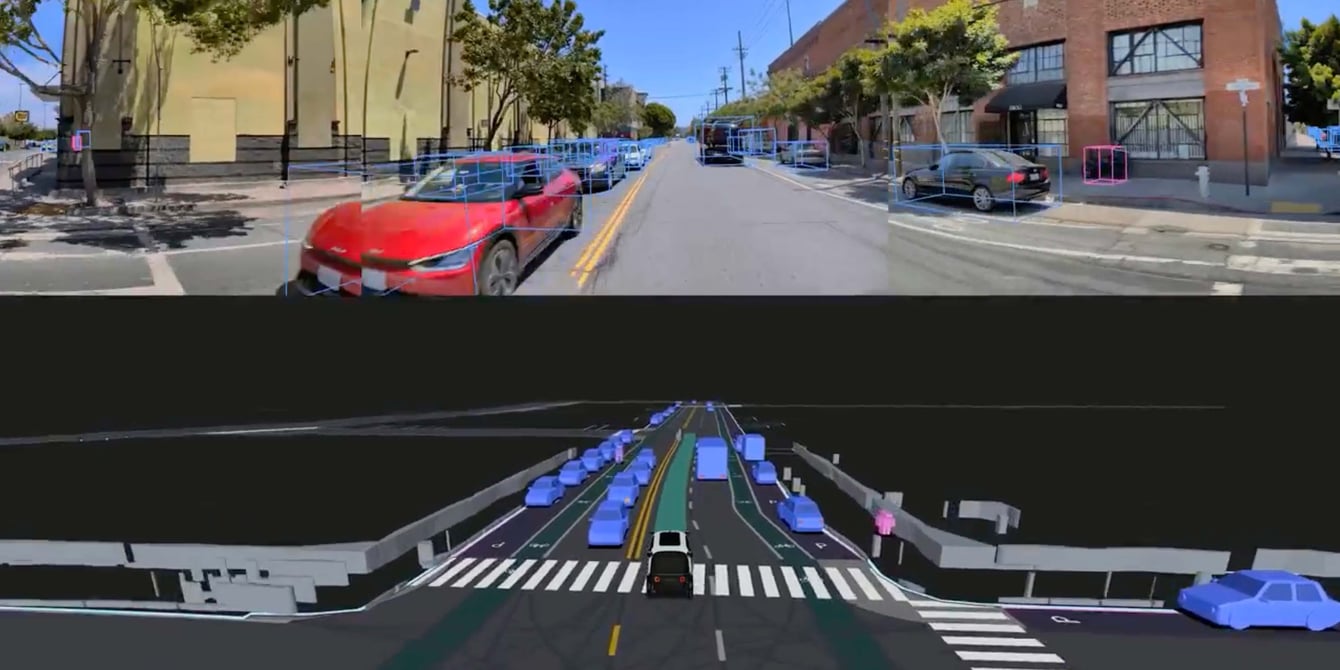
The robotaxi industry is entering a new phase of rapid expansion. What began as limited testing is now evolving into large-scale deployments, with autonomous fleets being rolled out across multiple markets. Operators are accelerating the build-out of both vehicles and supporting infrastructure, signaling a clear shift from experimentation to industrialization of autonomous mobility.
The focus is naturally on the technology that makes a vehicle drive itself. But as fleets grow, another question becomes increasingly important:
What happens when the vehicle stops driving?
When the vehicle can no longer drive itself
A robotaxi still needs to enter a physical facility for charging, cleaning, inspection, maintenance and repairs. And in many of these situations, the vehicle cannot simply be driven into position.
A vehicle undergoing maintenance may have wheels removed or its drivetrain disconnected. And purpose-built autonomous vehicles may not even have a steering wheel or driver’s seat. Yet the vehicle still needs to move - often repeatedly, and with high precision.
“The industry is putting enormous resources into making these vehicles autonomous on the road. But once they enter a service facility, the requirements are very different. The vehicle still has to be positioned, moved and handled safely — regardless of whether it has a driver or not,” says Steve Terrell, National Sales Representative at Stringo USA.
The pit stop nobody talks about
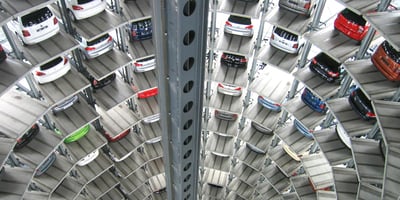
As autonomous fleets scale, so does the infrastructure supporting them. Service centres, depots and “pit stops” must handle increasing numbers of vehicles efficiently, often within limited spaces and with maximum uptime as a top priority.
This creates a fundamentally different challange from simply driving a car from one point to another.
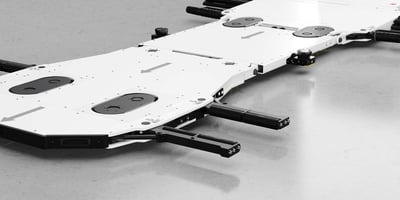
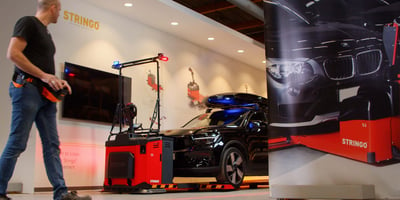
Stringo vehicle movers are designed to move vehicles independently of their own drivetrain. An operator can pick up a vehicle and position it precisely where it needs to go - whether that means moving it into a service bay, through an inspection area or into a storage position.
For autonomous fleets, this provides a simple but essential capability: the ability to move a vehicle when the vehicle itself cannot.
A global fleet needs global support
As robotaxi operators expand, their infrastructure needs to expand with them. A fleet that operates across multiple cities cannot rely on equipment that is easy to source in one market but difficult to support in another.
This is where Stringo’s global presence becomes particularly relevant.
With its own companies and established sales and service partners across key automotive markets, Stringo can provide vehicle movers, spare parts, service and technical support close to where customers operate.
“When a customer is scaling an operation across different markets, they need more than equipment. They need confidence that the same level of support will be there when they expand,” says Terrell. “Having people on the ground, access to parts and the ability to provide service locally can make a significant difference to keeping an operation running.”
For an autonomous fleet, that support becomes part of the infrastructure itself. Equipment downtime is not simply an inconvenience when hundreds of vehicles depend on the same facility. It can affect the entire operation.
Keeping the autonomous fleet moving
The robotaxi revolution is often described as a race to make vehicles autonomous. But autonomy does not end with the road. Every vehicle will eventually need to leave the road, enter a facility and be handled by people and systems that keep it ready for its next journey.
Charging. Cleaning. Inspection. Maintenance. Repair.
And between every one of these steps, the vehicle needs to move.
As autonomous fleets move from pilot projects towards large-scale operations, the question is no longer just how vehicles drive—but how they are handled when they don’t.
Stringo has spent decades developing vehicle-moving solutions for demanding automotive environments around the world. As the industry continues to scale, that experience is finding a new application behind the scenes.